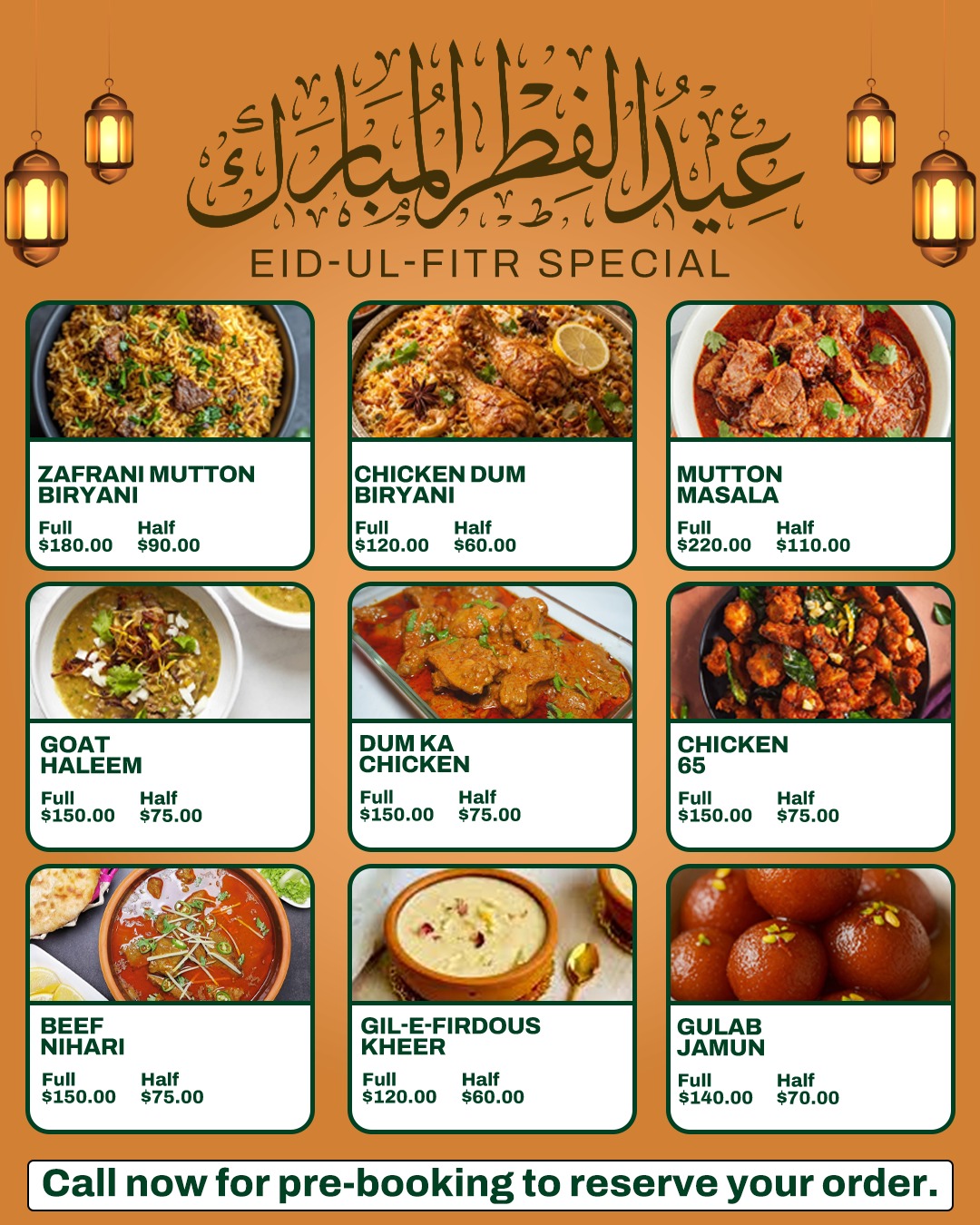
limited-time-offer

Welcome to Hussain Catering!

Check out our Limited Time Offer

Your cart is empty

South Asian Vegan & Gluten-Free Recipes Without Compromising Taste

We at Hussain Catering believe that rich, authentic South Asian flavor can be enjoyed by everyone. Whether you follow a plant-based diet or suffer from gluten intolerance, we know how hard it is to find food that is not only delicious but also safe. That is why our kitchen is pleased to offer vegan gluten free recipes without compromising taste or tradition.

Flavor First Even Without Meat or Gluten

People imagine all South Asian food to be wheat bread, ghee, and yogurt cream. It is true to an extent. Across India, Pakistan, Bangladesh, and Sri Lanka, lentils, rice, vegetables, and spices have been combined over centuries to create delicious dishes. The humble origins make it simple to create vegan, gluten-free food that is rich, aromatic, and memorable in taste.

Signature Vegan Gluten Free dishes from Hussain Catering

Masoor Dal with Tempered Spices

A large bowl of plain red lentils slow-cooked in turmeric, garlic, and cumin is so super healthy. It’s vegan and gluten-free by nature. We accompany it with steaming basmati rice and a side of tamarind chutney.

Chickpea & Spinach Masala

This recipe rich in iron, is prepared using protein-rich chickpeas in a rich spicy tomato-based gravy. Sprinkled coconut milk provides creamy texture without the milk. A first-rate favorite vegan gluten free recipe.

Baingan Bharta (Smoky Eggplant Mash)

Roasted on an open flame to obtain the smoky flavor and then mashed and mixed with onions, green chili, and mustard oil. Comfort food. Gluten free. Vegan. Spicy.

Stuffed Bell Peppers with Spiced Quinoa

Instead of wheat stuffing, we pack bell peppers with quinoa and mung beans herbed and mixed in a zesty tomato masala. A novel flavor with roots in South Asian cuisine.

We Don’t Just Create Substitutes. We Make Flavors Sing.

One of the issues with vegan gluten-free dishes is that they are an afterthought. Not at Hussain Catering. We begin with flavour. Then we select ingredients that meet dietary needs without sacrificing experience.

We stone-grind spices, cold-press oils, and employ fresh vegetables and fruits that are locally sourced. Fresh and homemade. No compromise. No flavourless meals.

Desserts Too Can Be Deliciously Inclusive

From kheer made with coconut milk to date laddoos sweetened with jaggery, we have decadent South Asian desserts that are entirely plant-based and gluten-free. Beyond the savory details, vegan gluten-free options on our menu stretch to the sweet finale as well.

Catering to Every Table

Regardless of whether you are having a wedding, corporate event, or family reunion, Hussain Catering can prepare an entire menu of vegan gluten free South Asian cuisine that your guests will be talking about. We don’t just accommodate. We elevate.

Conclusion

You never need to compromise diet for pure flavour. With Hussain Catering’s South Asian vegan gluten free cuisine, you have both. Taste. Tradition. Inclusion. Served from a single plate.

Let us put the flavor back into your recipe — vegan gluten-free style.

How to Make a Mango Lassi Martini at Home

If you love classic mango lassi and you also enjoy a refreshing cocktail, then this twist is for you. Today, we are showing you how to make a mango lassi martini at home. It is creamy. It is fruity. It is a perfect balance between traditional and modern. At Hussain Catering, we believe great flavors should be fun. It is easy to make in your own kitchen.

Why Try a Mango Lassi Martini

Before we dive into how to make a mango lassi martini at home, let us talk about why this drink works. Mango lassi is already smooth and sweet. When you add a splash of vodka or rum. It becomes a tropical treat. It is a perfect drink for parties. Dinners. Or even just a relaxing evening.

What You Need

To begin, how to make a mango lassi martini at home, you will need just a few ingredients.

  • Ripe mango or mango pulp
  • Greek yogurt or plain yogurt
  • Sugar or honey
  • A splash of milk
  • Vodka or white rum
  • Ice cubes
  • Cardamom powder
  • Mint for garnish

Step by Step – How to Make a Mango Lassi Martini at Home

Let us walk you through how to make a mango lassi martini at home in simple steps.

  1. Blend mango. Yogurt. Milk. And sugar until smooth.
  2. Add vodka or white rum to the mix. Blend again.
  3. Drop in some ice cubes. Add a pinch of cardamom. Blend until chilled and creamy.
  4. Pour into a martini glass. Garnish with mint or a slice of mango.

And just like that. You have mastered how to make a mango lassi martini at home.

Tips from Hussain Catering

At Hussain Catering, we know how to keep traditional flavors alive while adding a twist. When teaching how to make a mango lassi martini at home, we recommend using fresh mangoes when in season. For extra flair. Rim the glass with sugar and a pinch of chili powder. It adds a kick and looks beautiful.

Serve it Right

If you are planning a desi dinner night or a summer BBQ. Learning how to make a mango lassi martini at home will wow your guests. It pairs well with spicy snacks. Tandoori dishes. Or even sweet treats like gulab jamun.

Final Sip

Now that you know how to make a mango lassi martini at home, you can bring the joy of desi flavors to your cocktail nights. Hussain Catering is always here to inspire your kitchen and your table. Try it today. Share it with friends. And raise your glass to tradition with a twist.

South Indian Breakfasts AmericanS Need to Try: From Dosa to Upma

Hussain Catering Celebrates the Vibrant Flavors of South Indian Breakfast

When mornings appear bland or routine, it is time to explore the flavorful, pungent, and healthy universe of South Indian breakfast. At Hussain Catering, we believe that South Indian breakfast is a meal more than a meal—it’s an engaging cultural experience packed with nutrients and memories.

From soft idlis to crispy dosas, spicy sambar, and the smooth taste of upma, South Indian breakfast foods are the perfect morning starters. For the foodie or the health-conscious in need of a healthy morning starter, these dishes pack flavor, variety, and tradition in every bite.

Why South Indian Breakfast Belongs on American Tables

Most American breakfasts are cereal-based or toast, bacon—but what if you can have a breakfast that’s plant-based, gluten-free, and protein-rich? That’s what South Indian breakfast has to give.

We here at Hussain Catering serve fresh and authentic South Indian breakfast so that customers can taste the flavor of the South without ever leaving the States. It’s spicy but balanced, light but fulfilling, and always made with fresh ingredients.

Top South Indian Breakfast Dishes You Can’t Miss

1. Dosa

Thin, paper-like crepe dosa, prepared with fermented rice and lentil batter, is a traditional South Indian breakfast dish. Coconut chutney and sambar with its crispy, savory, and filling.

2. Idli

Fluffy and soft steamed idli is a favorite South Indian breakfast dish. It’s gentle on the stomach and tastes good with tangy sambar or spicy chutney.

3. Upma

Made from semolina and flavored with mustard seeds, curry leaves, and vegetables, upma is a rich South Indian breakfast. We add our own aromatic fillip to it without losing its authenticity at Hussain Catering.

4. Vada

It’s almost like the South Indian equivalent of a savory doughnut. Crispy outside and soft inside, vada is fried heaven and a crowd favorite among South Indian breakfast lovers.

5. Pongal

Creamy lentils and rice cooked in ghee, black pepper, and cashews—pongal is a warm South Indian breakfast dish particularly enjoyed in Tamil families.

The Health Benefits of South Indian Breakfast

South Indian breakfast isn’t only tasty—it’s also one of the healthiest breakfast options. Due to fermentation, steaming, and the fact that most foods are plant-based, most dishes are friendly to the gut and inherently gluten-free. We provide South Indian breakfast with less oil and no artificial flavors so that you can have a healthy and original meal.

How Hussain Catering delivers South Indian Breakfast to you

At Hussain Catering, we specialize in supplying complete South Indian breakfast menus to event catering and corporate events. From dosa stations at brunch or idli platters made fresh for office gatherings, we make sure your guests are treated to an experience that they will not soon forget. Our chefs utilize ancient traditions handed down through generations to prepare each dish on our South Indian breakfast menu.

Final Thoughts

If you’ve never tasted the spice, coconut, and curry leaf magic of a true South Indian breakfast, you’re missing out on one of India’s greatest culinary treasures. With so many textures, tastes, and health benefits to explore, it’s no wonder more Americans are discovering the joy of South Indian breakfast.

Hussain Catering is proud to bring the heart of the South to your table—fresh, flavorful, and unforgettable. Start your day with traditional taste and warmth. Choose a South Indian breakfast from Hussain Catering and feel the difference.

Saffron and Almond Milk Cake. A South Asian Delight

At Hussain Catering, we believe dessert should never be an afterthought. It needs to be special, meaningful, and crafted with love — the kind of sweet finale that leaves your guests smiling long after the last plate is cleared. One dessert that has captured hearts at our events time and time again is our Saffron and Almond Milk Cake — a cake that’s not just devoured but remembered.

There’s more to this cake than spice and sugar. It’s a tribute to heritage, a celebration of flavor, and a great big hug from home all in one elegant dessert.

Where Tradition Meets Indulgence

Almonds and saffron have an irretrievably magical quality in South Asian cuisine. Whether it’s the warmth of sheer khurma on Eid or the delicate aroma of saffron in wedding sweets, these two ingredients carry a legacy of joy, festivity, and comfort.

But we wanted to do something distinct with that nostalgia. So we took it and gave it a little twist. And the result? A cake that brings together everything you love about traditional South Asian desserts and wraps it in a soft, moist sponge — light, flavorful, and wonderfully unique.

A Love Letter to Saffron

We adore our saffron and with good reason. Every cake starts with gently steeping premium saffron threads — a slow, patient process that lets their full golden hue and earthy floral fragrance come alive. That liquid gold gets mixed into the cake batter so every layer is rich with fragrance, warmth, and elegance.

Saffron here isn’t just an ingredient. It’s a mood, a memory, and a soft touch of royalty in every slice.

The Secret Is Almond Milk and How We Use It

Now let’s talk about the almond milk. It’s not just a dairy substitute but a hero in its own right. We don’t just use it to keep the cake moist, though it does that beautifully. It brings a subtle nutty sweetness that pairs like a dream with the saffron. It gives the sponge a delicate lightness and a warm, gentle flavor that’s hard to explain but impossible to forget.

Each bite melts in your mouth with flavors of toasted almonds, cardamom, and that signature saffron glow.

More Than a Cake — It’s a Showstopper

Imagine a holiday table and in the center a golden cake topped with slender almond slices and strands of saffron. There’s a little hush as it’s carried in. Guests lean in. Phones snap. Then that first slice — soft, fragrant, golden inside. One bite and the room is full of smiles, only good food can bring.

We’ve seen it at weddings where this cake becomes part of the bridal table. At Eid dinners where it’s the most talked about dessert on the buffet. At birthdays, baby showers, and cozy winter dinners. Wherever it appears, this cake isn’t just a dessert. It’s a conversation starter.

A Dessert That Honors the Past and Embraces the Present

What makes this cake truly special is how it bridges generations. Your grandmother will recognize the flavors the moment she tastes them — saffron, almond, cardamom — the same ones she used in her kheer or badam halwa. But your nieces and nephews? They’ll see a cool modern dessert they’ll beg for at their next birthday.

It speaks to both old and new, traditional and modern. And in so many ways, it captures exactly what we do at Hussain Catering — honoring where we come from while celebrating where we’re headed. Dishes that feel like home but taste like something you can’t wait to tell your friends about.

Made with Care Served with Heart

Every Saffron and Almond Milk Cake we make is fresh, handmade, and created with only the best ingredients. No shortcuts. From steeping the saffron to perfecting the sponge, every cake gets our full attention. For us, food isn’t just about taste. It’s about connection.

Whether you’re hosting a wedding for 500 or a dinner for 10, this cake is a beautiful way to end your meal. Something special, rich, and unforgettable.

Care to Try? Let’s Make It Happen

If your occasion calls for a dessert that’s truly memorable, elegant, and heartwarming, our Saffron and Almond Milk Cake is the one. Whether you want it as part of a full event menu or as a single showstopper, Hussain Catering has you covered.

Reach out and we’ll walk you through everything — from sizing to flavors to making it just right for your gathering. Because when you invite us to your table, we’re here to help make it a meal to remember.

At Hussain Catering, every event deserves more than a meal. It deserves flavor, warmth, and a little touch of magic. And maybe just maybe a slice of Saffron and Almond Milk Cake too.

Why Hyderabadi Haleem Belongs on Your Fall Menu

As soon as that cool fall breeze hits there’s just something about the season that makes you crave rich warm food that fills you up and makes you feel good. And honestly, if there’s one dish that gets it just right, it’s Hyderabadi Haleem.

At Hussain Catering we believe good food is more than just what’s on your plate. It’s about memories stories and sitting down with people you love. And nothing brings folks together like a hot bowl of haleem when the evenings get chilly.

What’s So Great About It?

If you’ve never had it before haleem is a slow-cooked dish made with tender meat wheat lentils ghee and loads of spices. But the Hyderabadi version is something else. It’s thick creamy and packed with flavor. Every bite feels like comfort food at its finest. It’s not new either. This dish has been around for centuries, served in royal kitchens back in the day, and is now loved in homes and restaurants everywhere. It’s smooth hearty and has a gentle smoky taste you won’t forget.

Fall Is Made for This

Let’s be real when it gets colder you don’t want cold salads or light snacks. You want something that warms you up and keeps you full for hours. That’s where Haleem comes in. It’s loaded with protein and slow carbs so it keeps you going. The spices — like cinnamon cardamom cloves and black pepper — are the kind that make you feel cozy inside. And when it’s topped with crispy fried onions fresh lemon mint and a little ghee it’s a bowl of pure happiness.

It’s More Than a Dish

Back in Hyderabad, haleem isn’t just food. It’s a whole vibe. Families gather around giant pots friends drop by for late-night servings during Ramzan and everyone just connects over it. That’s what we aim for at Hussain Catering too. When you come in for our haleem you’re not just getting a meal you’re joining a tradition.

Try It the Way It’s Meant to Be

You might spot Haleem on other menus, but trust us, authentic Hyderabadi Haleem is rare. At Hussain Catering we don’t rush it. We slow-cook it for hours the old-school way with recipes our families have passed down. No shortcuts. No skipping spices.

If you’re already a fan you know what we’re talking about. And if you’ve never tried it this is the season to do it.

Final Thought

This fall, ditch the usual stuff and grab a bowl of Haleem. It’s got heart it’s got history and it tastes like home. Drop by Hussain Catering and get yours today. You’ll be glad you did.

Why Americans Can’t Get Enough of Masala Chaas Mocktails

There’s a new trendy thing in the world of thirst-squashing drinks — and it’s taking America by storm. Enter Masala Chaas Mocktails the perfect balance of classic twist with trendy that’s conquering the country. At Hussain Catering we’ve seen firsthand how this unique drink is becoming a favorite at events parties and family gatherings. But what makes masala chaas so special? Let’s dive in.

What Is Masala Chaas?

Masala Chaas is a traditional Indian yogurt beverage, lightly spiced and beautifully chilled. It’s essentially a savory smoothie that’s tangy, refreshing, and bursting with flavors like roasted cumin, black salt, fresh mint, and at times even a hint of ginger

For centuries it has been a staple in Indian homes especially warm summer days — a natural thirst quencher and digestive aid. But now this simple beverage is turned into a trendy mocktail that’s captivating American taste buds.

Why are Americans falling in love with Masala Chaas Mocktails?

Refreshing and Healthy

Masala Chaas is made from yogurt that’s probiotic and bacteria-filled. It supports digestion and maintains gut health — a sensation that many health-conscious Americans can be grateful for.

Distinctive Taste Profile

The combination of cooling yogurt and heating spice forms a harmony that’s distinct. It’s savory not sweet tangy and not boring — offering something newly interesting from typical sodas or juices.

Ideal for Every Occasion

From a summer BBQ to a wedding reception to a brunch on the weekend masala chaas mocktails feel perfectly at home. They are light and refreshing and can be made to suit everyone’s palate.

Cultural Connection

As international cuisines continue to gain popularity in America masala chaas is a tasty entrance into Indian cuisine — and an excellent means of celebrating diversity in food and drink.

Hussain Catering’s Twist on Masala Chaas

At Hussain Catering we bring in authentic flavors with a modern twist. Our masala chaas mocktails are made fresh with the finest ingredients and the optimal amount of spices. We also carry options infused with fresh herbs fruits and sparkling water to create every flavor wonderful.

Final Sip

If you have not yet tried masala chaas mocktails then you are missing out on a healthy and delicious experience. It’s not just a drink — it’s a refreshing delightful experience that is bringing cultures together glass by glass.

Looking to add a refreshing new mocktail to your next gathering? Call Hussain Catering and let us treat you to a glass of this magic.

Why Fermentation is a Big Deal in Indian Cooking

The Ancient Art That Still Lives on Every Indian Plate By Hussain Catering

If you’ve ever dipped a crispy dosa into coconut chutney, enjoyed the soft tang of idli, or savored a glass of sweet lassi after a spicy meal, then congratulations: you’ve experienced the power of fermentation.

Fermentation is the new food trend in the West, but it’s an ancient tradition in Indian home cuisine. Indian home cooks were fermenting batters, curds, pickles, and drinks — for taste, of course, but also for nutrition, preservation, and digestibility — well before kombucha and kimchi became health foods.

At Hussain Catering, we’re dedicated to honoring these ancient traditions. In fact, many of our traditional recipes honor the incredible science (and magic!) of fermentation. Let’s discuss how fermentation has been so central to Indian cuisine — and continues to be today.

First, What Is Fermentation?

Fermentation is the natural process through which microorganisms like bacteria and yeast break down food sugar, and starch. In Indian cooking, it usually results in a lot of the following:

  • More intense flavor and aroma
  • Improved digestibility
  • Nutrient-dense
  • Natural preservative

It is more like nature’s recipe process — no fire, no oven — just heat, time, and patience.

A Quiet Superpower in Indian Kitchens

While baking or frying occurs in the foreground and by degrees, fermentation goes on in the background and over time. A batter left on the kitchen counter overnight. A bowl of curd shrouded in a towel. A jar of pickles on a sunny balcony. It’s a daily ritual in Indian kitchens — and that is the magic.

Let’s explore some of India’s favorite foods that ferment and build them into our own cuisine.

1. Idli & Dosa: South India’s Fermented Staple Foods

These South Indian staples are made from a fermented batter of rice and urad dal (black gram). Waiting time is anywhere from 8 to 16 hours according to the degree of temperature, but the result is well worth it.

Why it matters: In addition to aerating the batter, fermentation also enhances the bioavailability of nutrients such as iron and B vitamins.

Fun fact: Dosa batter is so resilient that it will ferment even on a cold day if it is kept close to a hot stovetop or under a woolen cloth.

Our Hussain Catering cooks ferment dosa and idli batters in small batches — just like at home — to make each bite light, healthy, and flavorful.

2. Dhokla: Gujarat’s Fluffy, Fermented Delight

This steamed, salted cake is made from fermented gram flour (besan) or rice-lentil mixtures. Its tang and lightness are brought about by an old batter, with the help of yogurt or citric acid.

Why it matters: Fermentation gives dhokla its light expansion without yeast or baking soda assistance — a reflection of the ingenuity of traditional Indian cuisine.

Bonus: Also good for the gut and comparatively low in fat.

3. Curd (Dahi): The Hub of Indian Households

Nearly every Indian household prepares curd at home, adding a spoonful of the last batch as starter to the next one. It is not only a side dish; it is also medicine, comfort food, and tradition in one.

Why it’s important: Homemade curd is full of probiotics that aid digestion and boost immunity — a welcome help after consuming spicy or heavy food.

How we use it: We pound curd into raitas, lassis, marinades, and even sweet dishes — always starting with naturally set dahi.

4. Pickles (Achaar): India’s Tangy Time Capsules

From mango to lime to garlic and even green chili, Indian pickles are fermented treats. The process varies by region — mustard oil in the north, sesame oil in the south — but the goal is the same: to capture the best flavor of the season using salt, spice, sun, and time.

Why it matters: Fermented pickles are not condiments, but live foods, full of good bacteria and umami flavor.

Regional pride: Every state has its own recipe, and every grandma’s got a secret tweak that makes hers the best.

5. Lassi, Chaas & Fermented Drinks

A chilled glass of lassi or chaas (spiced buttermilk) is not just comforting — it’s your digestive system’s best pal after a guilty meal. These drinks are pretty much made with fermented curd or buttermilk and flavored with roasted cumin, mint, or black salt.

We typically accompany our North Indian thalis with chaas or rose lassi at Hussain Catering — for what hot biryani would be complete without a soothing fermented drink to follow.

Why Fermentation Is Necessary Now

In an era of ultra-processed food and chemical flavor, fermentation comes as a promise to decelerate and believe in nature.

  • It helps gut health and immunity
  • It reduces the wastage of food by extending shelf life
  • It adds richness of flavor that no bypass can even come close to replicating
  • And it bonds us to generations of Indian cooking tradition

Whether you are a food enthusiast, a health-conscious consumer, or someone who has a craving for the flavor of home, fermented foods offer comfort, culture, and compassion — bite by bite.

At Hussain Catering, We Ferment with Purpose

Fermentation is not a method to us; it’s a lifestyle. It is humbly working with old ways, respectfully working with ingredients, and lovingly showering love on every plate that leaves. We believe our chefs share the joy of watching batter bloom, the pleasure of watching curd set perfectly, and the sense of pride in serving food that heals both body and soul.

We feel that if food is slow-cooked and naturally, you can truly sense the difference.

The next time you bite into a soft idli, sip some lassi, or spoon some hot mango pickle onto your plate, stop for a moment to acknowledge the gentle, powerful force of fermentation.

  • It’s not science. It’s tradition.
  • It’s not taste. It’s health.
  • It’s not a meal. It’s heritage on a platter.

Experience India at its best with Hussain Catering — where tradition reaches full bloom, and every meal whispers a tale to unfold.

Cooking for Kids: Hyderabadi Recipes That Even Picky Kids Love

If you have kids at home, you already know the torture. They will eat biryani one day, and the next day they play like it’s poison. You lovingly prepare one dish, your mom assured was a kid’s favorite, and they scrunch up their faces. Welcome to the mad world of picky eaters. At Hussain Catering, we’ve experienced it all — fussy toddlers, teenager attitude swings, and those children who declare war against green peas. But in the process, we’ve discovered a secret. Hyderabadi food, with its spices and comfort textures, will satisfy even the most discerning little food critics —  if you select the right foods.

Today, we’re sharing some kid-approved Hyderabadi recipes and ideas that have saved countless dinner tables and made more than a few moms and dads heroes in their own kitchens.

Hyderabadi Recipes For Kids


Why Hyderabadi Food Works for Kids

Hyderabadi food is not so much about spice and masalas. It’s about balance. It’s rich without being heavy, spicy without being tongue-searing, and loaded with textures that kids secretly love. And most things have a dash of sweetness, creaminess, or crunch, exactly what kids are attracted to.
And come on — who can resist the smell of cooking biryani or the butter softness of bagara khana?

Kid-Friendly Hyderabadi Recipes You Must Try

1. Chicken 65 (But Mild)

Yes, it is usually a spicy dish, but you can water it down for kids. Fried, boneless pieces of chicken with just a hint of garlic and curry leaves. It’s like nugget-sized pieces of chicken, Hyderabadi style, and once you serve it with ketchup or yogurt dip, it’s guaranteed to be a success.

Hussain Catering Tip: We make a children’s version at parties every day — no green chilies, extremely crispy, and lots of love.

2. Khichdi with Khatta (Mild Lentil Rice with Tamarind Curry)

A soothing, one-pot meal that’s gentle on little stomachs. Hyderabadi khichdi is made of rice, lentils, and mild spices. Serve with a hint of sour but not strong khatta (tamarind curry) on the side. It’s simple, soothing, and perfect for fussy eaters. It’s also a nice dish when your child is low with a temperature or in the mood for something soft and comforting.

3. Ande ka Korma (Egg Curry)

Soft-boiled eggs in a slightly spiced, creamy gravy. Eggs are a popular dish with most kids, and this is a form of the simple boiled egg. This may be done as soft as needed by reducing the masalas, and served with soft roti or rice.

4. Zafrani Seviyan (Sweet Vermicelli)

You know the feeling after dinner, children suddenly want something “meetha”? Zafrani seviyan is quick, easy, and like a treat. Vermicelli cooked in milk with saffron, cardamom, and a pinch of nuts (omit that if your child is fussy about textures). For gatherings with family, we always find children flocking to the dessert table when this is out.

5. Mini Samosas with Chicken or Cheese Filling

Mini samosas are always a hit. I mean, at Hussain Catering, we do chicken mince, ginger-garlic, and hardly any spice for mini samosas. Even the parents request cheese ones. Give it to them with tomato ketchup or a raita dip, and you’re a winner.

How to Get Kids Excited About Hyderabadi Food

It’s not what you’re offering — it’s how you present it. Get creative. Call it “Hyderabadi popcorn chicken” instead of Chicken 65. Term the khichdi as “magic rice.” Offer mini samosas as “Desi pizza pockets.” Kids like creative names and creative presentation. Also,  engage them in the cooking. Ask them to stir the seviyan or roll out a roti. When children feel included in the process, they’ll be more inclined to eat what’s on the plate.

Memories Around the Table

Whenever I recall how my grandmother lovingly reserved a dainty spice-softened portion of biryani for me, realizing that my juvenile taste buds were not yet ready to handle the hot symphony of flavors enjoyed by the adults. She always tried to add low-grade spices and make it aesthetic and mouthwatering. My cousins and I would engage in spirited, almost ritualistic competitions to get hold of the prized crispy morsels of Chicken 65 while the elders would have good-natured disputations over the remaining tender kebab that lay smoldering on the platter.

In Hyderabadi households, food has never been a mere act of sustenance — it’s an unspoken ritual, a tapestry of moments woven together with shared laughter, quiet stories, and aromatic memories that linger long after the plates are cleared. These meals are not just dinners, they are timeless chronicles of togetherness, and every morsel carries the weight of nostalgia you’ll recount for years to come. The memories this desi food will give its unforgettable!

Final Thoughts

If you’re a working parent with work, home, and a picky little one who turns into a food critic at night, I get it. It’s real. But trust me, a few Hyderabadi recipes are make-or-break moments. There’s something about their balance — that gentle heat, nuanced spice, and soothing textures — that will charm even the pickiest of eaters.

It’s not about complicating it. Simple, gentle, fun. Turn khichdi into “magic rice,” call Chicken 65 “Hyderabadi popcorn chicken,” and watch those small hands reach for seconds.

And when you simply can’t take one more kitchen mess or tantrum over what’s for dinner, remember Hussain Catering’s got your back. We cook home flavors for you just the way your ammi or dadi would’ve done it — patiently, with love, and a dash of old-school nuskhas (secrets). Because, as they used to say in Persian, “Bā ghazā delhā be ham miyāyad” (with food, hearts come together). And as a matter of fact, isn’t that what every meal is about? Sharing food, tales, and a little laughter after a hard day.

Then go ahead — fire up your house with the warmth of Hyderabadi tastes. “Har lahzeh ghanimat ast” (each moment is valuable), and what better way to pass them than around a table with nice food and the people you love.
“Nush-e jan!” (May it nourish your soul.)

Grandma’s Sambar Recipe — Nothing Fancy, Just Honest Food

You know, some dishes aren’t just recipes. They’re memories. Whole moments tied up in a smell, a taste, a sound, even. And if you grew up in a South Indian household or around one, you probably know exactly what I mean when I say sambar recipe. It wasn’t just food. It was Sunday lunch, school mornings, surprise guests, and family get-togethers. It was there, always.

I honestly can’t remember the first time I had it because it feels like it’s always been part of my life. Like rice. Or rain in July. It’s one of those constants you don’t question. And for us, the best one-the only one, really — was my grandmother’s. She didn’t call it anything special. She’d just say “daal ready hai” but we knew what that meant. The spicy, tangy, soupy goodness was about to hit the table.

No Fancy Gadgets, No Written Recipe

This was way before anyone wrote down a sambar recipe. It was all in her head. And her hands. You could watch her do it a hundred times and still mess it up when you try it yourself. Because she never measured anything. A fistful of dal. A pinch of this. A splash of that. How do you write that down?

She had this tiny spice tin — those old school round metal ones — with little compartments for coriander seeds, methi, mustard seeds, red chilies. The whole thing smelled like home. Before every batch, she’d dry roast the spices in a cast-iron pan till the kitchen filled up with that sharp, toasty aroma. No store-bought masalas. No shortcuts. If she didn’t have fresh curry leaves, she wouldn’t make it. That was the rule.

It Was Never the Same Twice

That’s the beautiful thing. No two batches were ever exactly alike. It depended on what vegetables were around. Some days drumsticks and pumpkin, other days just tomatoes and onions. Tamarind would be extra sour some weeks, and mellow the next. And if she was in the mood, she’d add extra chilies. You couldn’t predict it, but it always tasted like comfort.

I’d sit on the kitchen counter, legs swinging, watching her taste and adjust, taste and adjust. Not a word was said. Just the quiet sounds of a pressure cooker whistle and the sizzle of tempering mustard seeds in hot oil.

The Tempering Was The Magic

That last step. It wasn’t optional. Hot oil in a small kadai, mustard seeds popping, a few dry red chilies thrown in, fresh curry leaves (and I swear if they were plucked from the backyard tree, it tasted better), and finally, hing. That moment — the loud hiss as she poured it over the steaming sambar — was like a signal. Everyone in the house would perk up. Lunch was ready.

And even now, when I do that in our kitchen at Hussain Catering, that exact smell takes me straight back. It’s wild how food does that.

Why We Keep It That Way At Hussain Catering

You’d think with all the modern appliances and ready-made sambar mixes, we’d switch over. Make our lives easier. But nah. Some things deserve to be done the long way. When we opened Hussain Catering, we promised ourselves — no packet masalas. No cutting corners. If we’re putting sambar on a client’s menu, it’s going to taste like someone’s grandmother made it. The slow way. The right way.

We’ve had people come by, taste a spoonful, and tear up. Grown men, even. One guy hugged me and said, “I haven’t tasted sambar like this since my mother passed away.” Moments like that remind you why you do it.

Is It The Best Sambar Recipe?

Listen, probably not for everyone. That’s the thing about food. It’s so personal. What’s perfect to me might be too tangy for you. Or not spicy enough for someone else. And honestly? That’s fine. I’m not here to win awards. I just want it to taste like home for the people who miss it.

And from the looks of the empty bowls we send back, I think we’re doing okay.

So If You’ve Been Craving The Real Deal…

Stop by. We make a fresh batch almost daily. No need for reservations or fancy clothes. Just come hungry. We’ve got fluffy idlis, crisp dosas, and piping hot rice ready to go with it. And yes — we’ll pour the tempering on fresh, right in front of you, so you can get that same sizzle and aroma grandma used to make.

Food’s better when it feels like a memory. And this one’s ours.

The Curry Leaf Collins: Refreshing, Herbal & Spicy

Where tradition becomes playful with innovation, you are left with something incredible, such as the Curry Leaf Collins, a cocktail (or mocktail) that revolutionizes what it means to be revitalized. At Hussain Catering, where South Asian spices and flavors meet modern presentation, we are huge fans of taking the traditional and making it new again. And this cocktail is just one example of how traditional cocktails and delicate herbs can blend for something truly unforgettable.

What Is a Curry Leaf Collins?

Imagine the crisp crack of a Tom Collins—now with the spicy heat of fresh curry leaves. Mix in citrus, a hint of sugar, and plant complexity, and you have a beverage that calms the mind yet provokes the senses. Serve it however you please—over gin or as an alcohol-free soda-based cooler—it’s revitalizing, herby, and in-your-face bold. It’s not just a beverage. It’s an experience.

Standout Ingredients

And now for flavor. The Curry Leaf Collins is all about harmony, where Eastern spices meet Western mixology:

  • Fresh curry leaves – The star of the show. The leaves contribute a peppery, light lemony aroma that’s earthy and undeniably South Asian.
  • Lemon juice – For the brightening zip that puts a burst of fun in each sip.
  • Simple syrup or jaggery syrup – A splash of sweetness to counterbalance the tart.
  • Gin or soda water – Your base—alcoholic or otherwise.
  • Ice & soda top-off – Because this drink will be enjoyed cold.

Optional: Black salt or chili rim – For a zesty, spicy kick on the glass rim.

The scent of muddled curry leaves alone is sufficient to stop people in their tracks at a party—it’s that intriguing.

The Inspiration Behind the Drink

The Curry Leaf Collins is not just a trendy twist on a classic—it’s a culinary nod to South Asia’s botanical brilliance. Desi restaurants have been using curry leaves as a pantry staple for generations, tempering dals, chutneys, and curries. Lately, however, chefs and bartenders have embraced these leaves for purposes other than their taste.

Here at Hussain Catering, we enjoy playing it big, especially with ingredients rooted in heritage. Tasting curry leaves in drinks is a way of closing the loop on the familiar in new, unexpected ways.

How We Serve It Here at Hussain Catering

When we serve up the Curry Leaf Collins at our gatherings—whether a Mehndi celebration, upscale brunch, or food fusion tasting—the reaction is always the same:

Wait. What’s in this?

Served over ice, crushed in a tall glass with a garnish of a sprig of curry leaf, it’s a winner in terms of presentation. We like to rim the glass with a mixture of black salt and chili powder for added depth, especially for those who enjoy a splash of hot spice.

Hungry for a non-alcoholic version? No problem. We prepare ours with a curry leaf and lemon shrub, topped with soda and a dash of ginger syrup. It’s herby, tangy, and 100% party-worthy.

Why You Should Give it a Go

  • Herbal or spiced drink lover
  • Fan of fusion food and Desi innovation
  • Seeker of a one-of-a-kind signature drink for your party. Then the Curry Leaf Collins is your go-to try-it-out.

It’s not about being trendy—it’s about having a conversation. This cocktail opens a window to home memories as well as serving up something entirely new and unexpected.

Make it Part of Your Next Celebration

At Hussain Catering, we’re experts at creating experiences that are both nostalgic and new at once. Whether through creative Indian cuisine, house-made mocktails, or vibrant fusion cuisine, we infuse storytelling into each dish—and every cocktail glass.

The Curry Leaf Collins is more than a drink. It’s an ode to heritage, a twist on tradition, and a refreshing invitation to uncover spicy, botanical tastes.

Ready to add this drink to your next menu?

Get in touch with us today and let’s make your event unforgettable—with flavor that says Desi and drinks that say style.

© 2026 Deccan Delights USA, developed by
Elite Solutions

Your cart is empty